
Adjustable beds have emerged as a significant innovation for seniors, offering tailored solutions to enhance sleep quality and overall health.
These beds provide customizable positioning that addresses common discomforts, such as back pain and respiratory issues.
With a range of features designed for safety and convenience, they may transform nighttime rest. Understanding these benefits can lead to informed choices, but what specific aspects should one consider when selecting the right adjustable bed?
As seniors often face unique health challenges, understanding the benefits of adjustable beds becomes increasingly important. These beds can notably enhance comfort and support, allowing for personalized positioning that caters to individual needs.
Seniors may experience conditions such as arthritis, back pain, or reduced mobility, making it difficult to find restful sleep. Adjustable beds alleviate pressure points by promoting ideal spinal alignment, which can lead to improved overall well-being.
Additionally, these beds facilitate easier shifts from sitting to standing, reducing the risk of slips and falls. The ability to elevate the head or legs can also help with circulation and respiratory issues. Overall, adjustable beds provide a valuable solution for seniors seeking to enhance their sleeping environment and quality of life.
Adjustable beds play a significant role in addressing various sleep issues commonly faced by seniors. By allowing users to elevate their head or legs, these beds can help reduce discomfort associated with conditions such as arthritis and back pain.
This customizable positioning can also enhance circulation, making it easier for seniors to find a comfortable sleeping posture.
Moreover, adjustable beds can alleviate symptoms of sleep apnea and acid reflux by providing an incline, promoting better airflow and digestion during the night. Additionally, the ability to adjust the bed can facilitate easier changes in and out of bed, ultimately contributing to improved sleep quality and overall well-being for seniors.
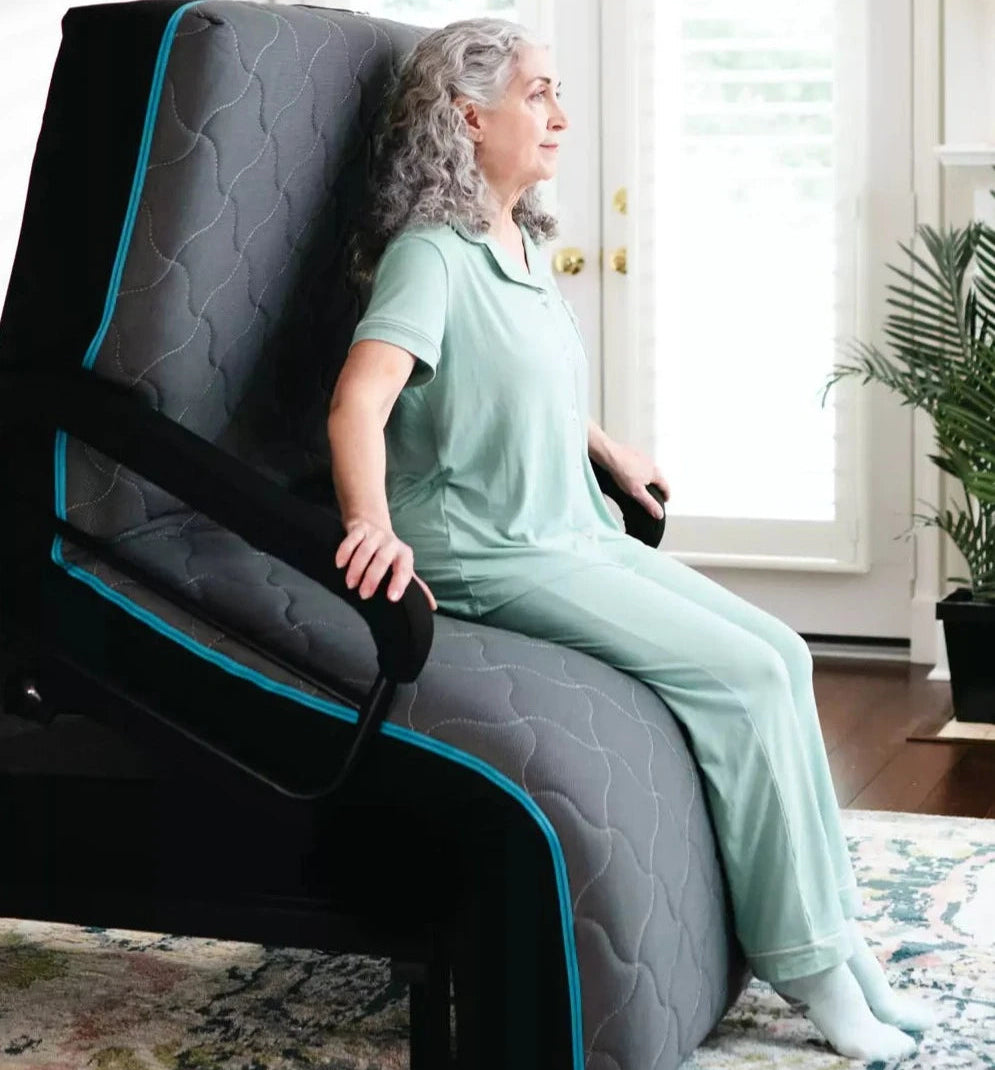
When searching for an adjustable bed, it is essential to contemplate various key features that enhance comfort and usability. A robust motor is vital for smooth adjustments, allowing users to effortlessly change positions. The bed's construction should include high-quality materials for durability and support.
Look for customizable settings, enabling users to find their ideal sleeping angle. Additionally, a remote control with intuitive functionality simplifies operation, particularly for seniors.
Compatibility with various mattress types is important, ensuring that users can choose their preferred firmness. Safety features, such as locking mechanisms and low-profile designs, can prevent falls. Finally, consider additional options like built-in massage functions or USB ports for added convenience during use.
Selecting the right features in an adjustable bed can profoundly influence sleep quality. By allowing users to customize their sleeping positions, these beds can alleviate discomfort, reduce snoring, and improve circulation. Many seniors experience issue, and adjustable beds can provide targeted support that traditional mattresses often lack.
Elevating the head can help with respiratory conditions, while adjusting the legs can decrease pressure on the lower back. Additionally, the ability to change positions easily throughout the night promotes a more restful sleep cycle.
Research indicates that individuals using adjustable beds report higher satisfaction with their sleep experience, resulting in improved overall health and well-being. Consequently, the impact of adjustable beds on sleep quality is significant for seniors.
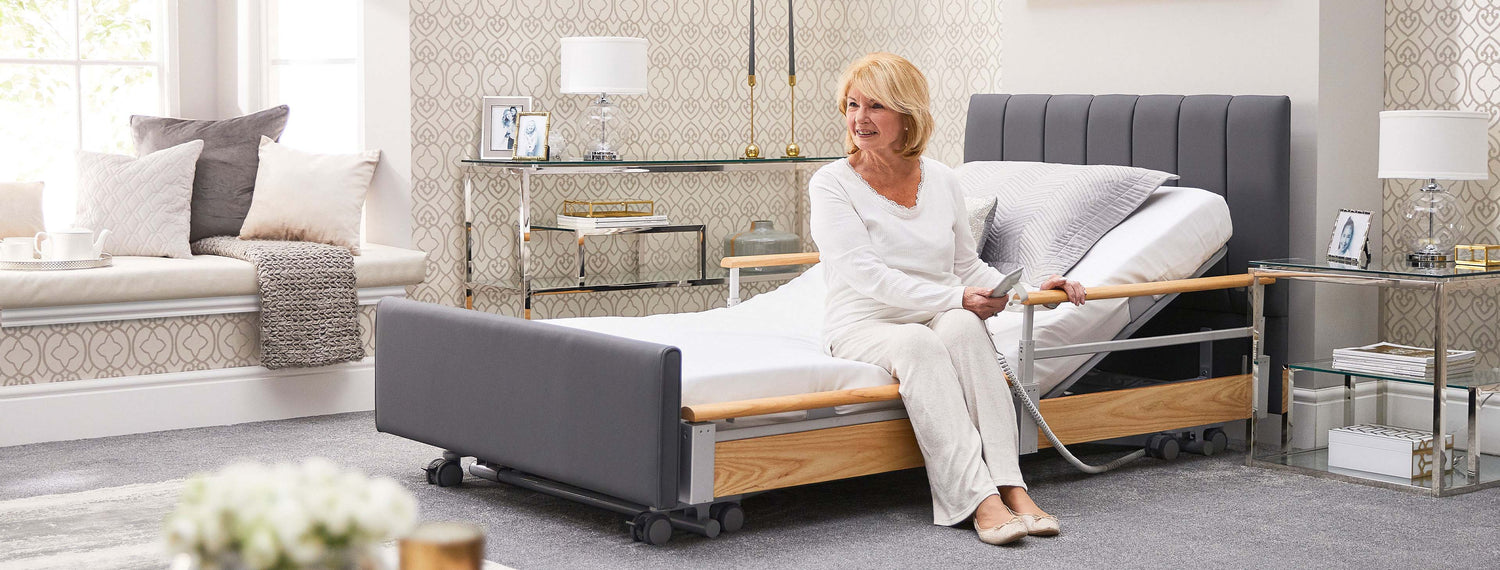
Finding the right adjustable bed can greatly enhance comfort and support for seniors, especially when considering their unique health needs. When selecting an adjustable bed, it is essential to assess the mattress type, aiming for one that offers both support and pressure relief.
Seniors should also consider the bed's weight capacity, ensuring it can accommodate their needs safely. Moreover, ease of use is crucial; remote controls should be intuitive, allowing for simple adjustments. Additionally, features like built-in massage functions or USB ports may enhance the overall experience.
Finally, checking warranty terms and return policies can provide peace of mind, ensuring satisfaction with the purchase. By prioritizing these factors, seniors can find an adjustable bed tailored to their specific requirements.
Although many seniors approach the idea of adjustable beds with skepticism, their personal experiences often reveal surprising benefits. For instance, Margaret, an 82-year-old retiree, noted significant relief from her chronic back pain after using an adjustable bed, allowing her to enjoy restful nights.
Similarly, John, 79, found that elevating his legs eased his arthritis discomfort, enhancing his overall mobility during the day. Many seniors report improved sleep quality, noting that adjustable beds help reduce snoring and acid reflux.
Additionally, several caregivers have observed that these beds facilitate easier transfers and positioning for their loved ones. Ultimately, the stories shared by seniors highlight the transformative impact adjustable beds can have on comfort, health, and daily living.
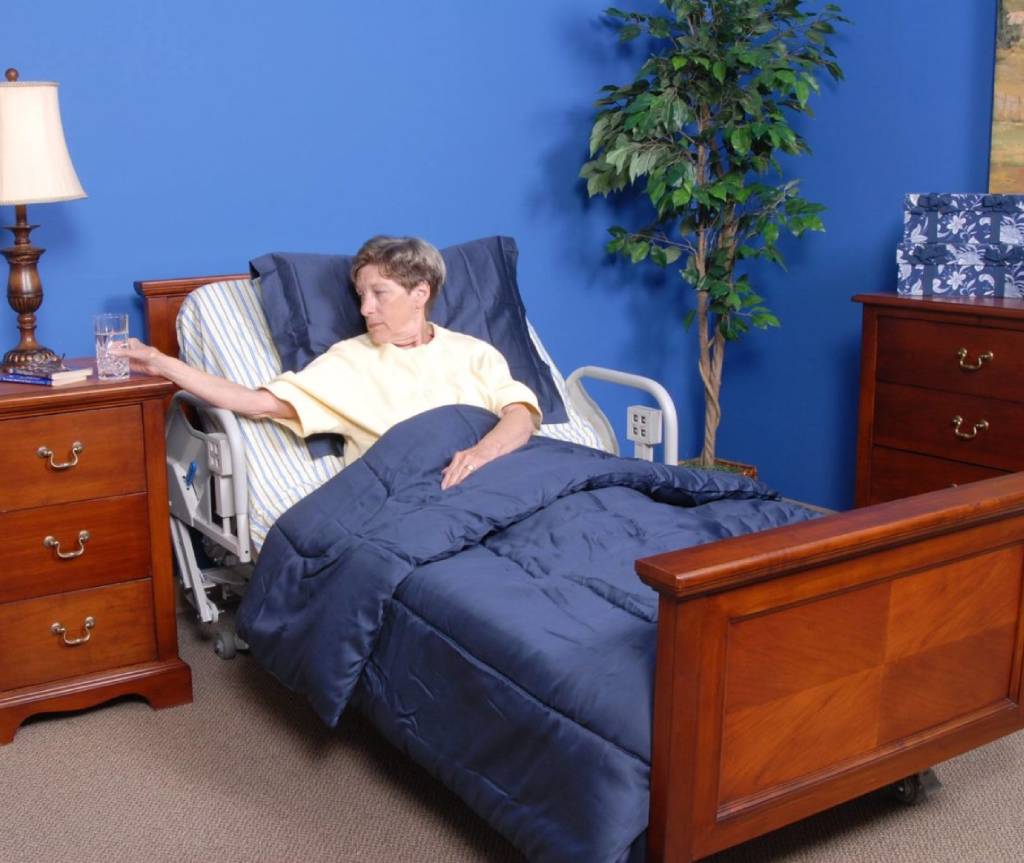
To maintain an adjustable bed, regular cleaning is essential. Dust and debris should be removed from the frame and mattress. Check the mechanical components periodically for any signs of wear or malfunction. Lubricating moving parts can prevent stiffness. Users should also guarantee the bed is on a flat, sturdy surface to avoid instability. Finally, following the manufacturer's guidelines for care will help prolong the lifespan and functionality of the adjustable bed.
Adjustable beds typically last between 10 to 20 years, depending on factors such as build quality, usage frequency, and maintenance. Higher-quality models often feature more durable materials and mechanisms, contributing to a longer lifespan. Regular care, including keeping components clean and ensuring proper weight distribution, can also enhance longevity. Ultimately, the lifespan of an adjustable bed varies, but with appropriate care, users can expect several years of reliable service.
Adjustable beds may be covered by Medicare and certain insurance plans, but coverage depends on specific medical needs and prescriptions from healthcare providers. Medicare typically covers adjustable beds if they are deemed medically necessary for conditions such as arthritis or sleep apnea. It's important for individuals to consult their insurance provider for detailed coverage information, as policies can vary widely and may require documentation to qualify for reimbursement.